 AlphaStage
January 27, 2026
3 Types of Books Your Child Can Create
I'm always drawn to things that spark real curiosity in kids, especially my two daughters.
There's something magical about seeing them build something straight from their own imagination. Right now, one of the simplest and most rewarding ways for 8-16-year-olds to do this is by creating their very own book.
The goal isn't to aim for the next bestseller. What matters far more is the creative process and the possibilities that open up the moment they hold their own book in their hands.
Here are three types of books every kid can create today. Each one is perfect for different strengths and interests:
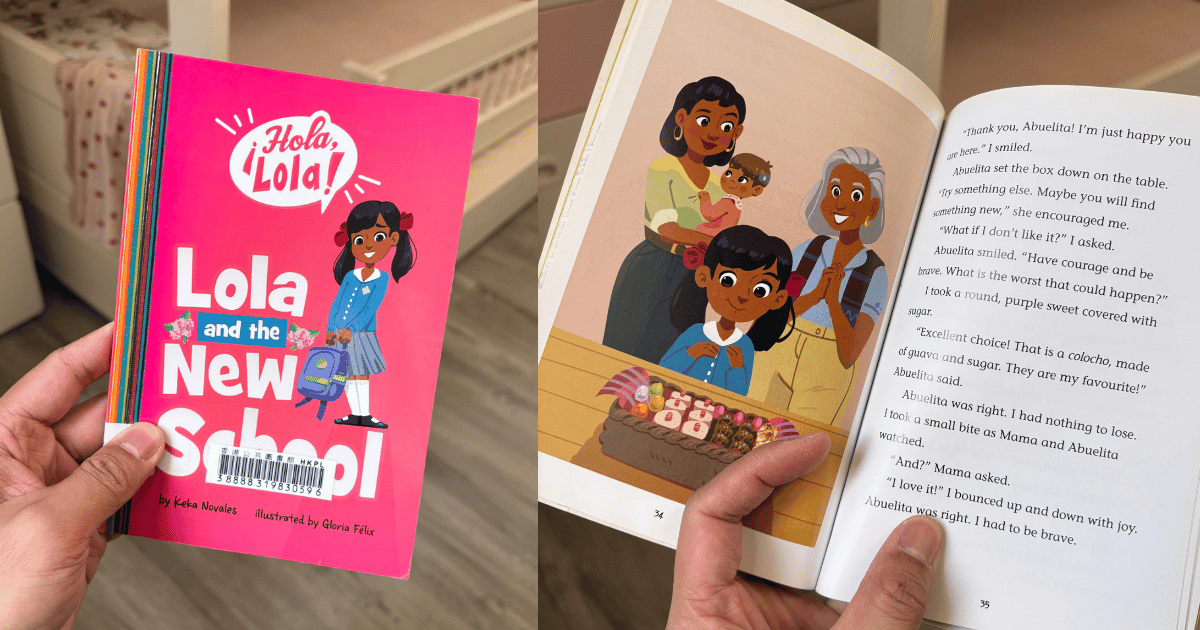
1. Short Story Novel
This is classic original fiction: characters, a clear beginning-middle-end, and maybe a little plot twist or adventure.
It's ideal for kids who love crafting narratives, dreaming up dialogue, and building worlds with words.
Imagine: a brave hamster discovering hidden treasure, or a talented duck solving a mystery. It's mostly text-focused, so it's great for young writers who want to practice storytelling without heavy drawing demands.
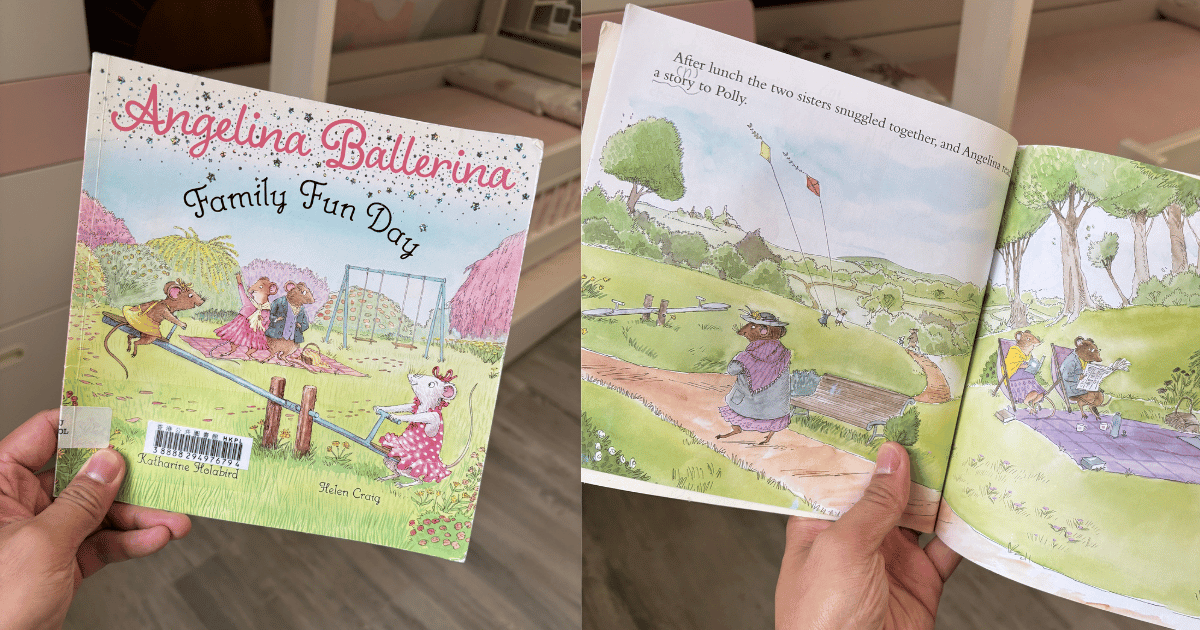
2. Picture Book
Short, engaging stories where the artwork does most of the talking.
Minimal text paired with lots of vibrant illustrations.
This one shines for kids who adore drawing, colors, and visual storytelling, especially younger ones. The pictures carry the emotion and details, while the words keep things simple and fun.
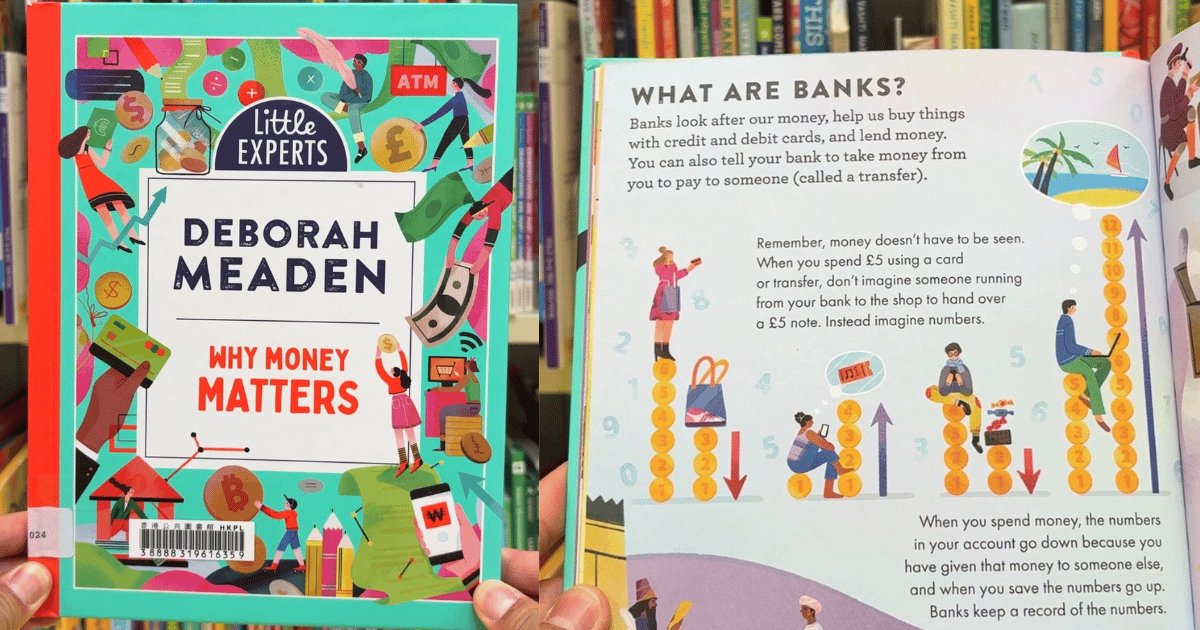
3. How-To Book
A fun nonfiction guide that teaches a skill, shares knowledge, or explains something cool, like "How to Build the Best Fort" or "My Guide to Caring for Pet Fish."
It's a fantastic fit for kids who love sharing what they know, explaining steps clearly, and adding helpful diagrams or photos. It builds confidence in organizing ideas and feeling like an expert.
So, which type do you think your child would jump into first? The narrative adventure, the visual masterpiece, or the expert guide?
The beauty is in the doing.
They'll have something tangible to hold, share, and be proud of. Once they finish creating and publishing the book, a whole world of opportunities opens up: hosting reading events, getting their book into libraries, taking part in writers' festivals, and more.
This is when they move from being purely creative to also becoming entrepreneurial.
Students don't need to aim to make a lot of money. The simple fact that people out there appreciate their work and are willing to buy it with real money proves their creation has value.
That feeling? Unbeatable.
— Kevon Cheung